Glaucoma Surgery - When is it necessary?
Surgery for glaucoma may be recommended when other treatments, like medication, have not effectively controlled the disease. It may also be considered in cases where vision loss is progressing despite treatment.
Glaucoma Surgery in Tupelo, Mississippi
Surgery is sometimes recommended to treat glaucoma, a group of eye diseases that can damage the optic nerve and lead to vision loss or blindness. The goal of glaucoma surgery is to reduce the intraocular pressure (IOP) in the eye, which is the primary risk factor for glaucoma. By lowering the IOP, the surgery can help slow or stop the progression of the disease and preserve vision.
Glaucoma surgery is typically recommended when other treatments have not been effective. Medicated eye drops are commonly prescribed to lower IOP levels, but they may not be effective for everyone. Some individuals may also experience severe side effects.
The skilled team at Wesson and Mothershed Eye Center will determine the type of glaucoma surgery best suited for each patient’s needs and glaucoma severity

Glaucoma Laser Surgery
Typically, laser surgery is the first type of surgery to be recommended. There are three main types of laser surgeries for glaucoma, each with its own unique approach and benefits.
- Selective laser trabeculoplasty (SLT): A low-level laser is used to target certain cells in the drainage system of the eye. This helps to increase the flow of fluid out of the eye, which reduces the IOP.
- Laser peripheral iridotomy (LPI): A procedure that involves creating a small hole in the iris to allow fluid to flow more freely through the eye. This helps reduce pressure and prevent further damage to the optic nerve. LPI is typically performed in patients with narrow-angle glaucoma.
- Endoscopic cyclophotocoagulation (ECP): The Cyclo G6® Glaucoma Laser System uses an endoscopic camera to deliver laser energy to the ciliary body, the part of the eye that makes fluid. This reduces the amount of fluid, lowers the pressure inside the eye, and helps prevent further damage to the optic nerve. ECP is typically performed on patients with moderate to advanced glaucoma who have not responded well to other treatments.
Glaucoma Surgery (non-laser)
If laser surgery for glaucoma does not effectively lower IOP, other surgical options may be considered to help manage the condition and protect the optic nerve.
- Goniotomy: A goniotomy is a procedure that helps treat glaucoma in children. It involves using a special lens, called a goniolens, to see the drainage system in the eye and making a tiny incision to help the fluid in the eye drain better. This helps lower the pressure inside the eye, preventing further damage to the optic nerve.
- Drainage implant surgery: During drainage implant surgery, a small tube is placed in the eye to help drain fluid and reduce pressure. The implant is typically made of silicone or plastic and helps create a new drainage channel for fluid to flow out of the eye.
The iStent® Trabecular Micro-bypass is a type of minimally invasive glaucoma surgery (MIGS) for the management of open-angle glaucomas. It involves implanting a small medical device into the eye’s drainage system to improve fluid outflow and reduce intraocular pressure. The procedure is typically performed during cataract surgery and can help lower the need for medications to control glaucoma.
The Hydrus® Microstent is a small, flexible tube that is implanted in the eye to help lower intraocular pressure in patients with open-angle glaucoma. It works by expanding the natural drainage pathway in the eye, allowing fluid to flow out more easily and reducing pressure. The procedure is minimally invasive and can be done in combination with cataract surgery.

Risks of Glaucoma Surgery
Glaucoma surgery is a serious medical procedure and, like any surgery, carries some risks. Potential risks associated with glaucoma surgery include:
- Red eyes
- Eye pain
- Bleeding
- Eye infection
- Vision loss
- Increased eye pressure
- Cataracts
- Double vision
- Damage to the cornea
There is also a risk that the surgery may not be effective in lowering IOP and additional procedures may be required. Patients with certain medical conditions, like diabetes or heart disease, may be at a higher risk for complications during and after surgery.
Benefits of Glaucoma Surgery
The main benefit of glaucoma surgery is that it is an option when other treatments fail to reduce intraocular pressure (IOP). If successful, the surgery can help slow or prevent further damage to the optic nerve and preserve vision. By reducing pressure inside the eye, glaucoma surgery can also alleviate symptoms such as eye pain and discomfort.
Overall, the goal of glaucoma surgery is to improve the quality of life for patients. Glaucoma surgery can also be repeated in the event that the eye’s opening starts to close again. However, surgery cannot recover eyesight if it has already been lost as a result of glaucoma.
Don’t wait until it’s too late! Early detection and treatment can help preserve vision. Visit Wesson and Mothershed Eye in Tupelo, Mississippi, for a comprehensive eye exam.
iStent® Trabecular Micro-Bypass
The world’s smallest medical implant delivers big results in mild-to-moderate open-angle glaucoma.
iStent: Managing glaucoma while treating your cataracts
iStent is implanted during your cataract surgery procedure. Once implanted, iStent will begin working to safely and effectively manage pressure. What’s more, patients who receive iStent may experience a reduction in glaucoma medications; but this will be at the discretion of your physician.
iStent® Trabecular Micro-Bypass: add an exciting new glaucoma technology to your cataract surgery.
Technology has always played an important role in eye care. Today, almost every aspect of vision is connected to a product or procedure that wasn’t available even ten short years ago. The cataract surgery you are scheduled for is a good example of how innovations can make a difference. Every aspect of it utilizes recently developed technology that will help us improve your vision. Today, this includes managing your mild-to-moderate open-angle glaucoma: because now we are able to add another step to your cataract surgery that allows you to treat your open-angle glaucoma in a completely new way. This is important because once diagnosed, you and most patients like you will spend the rest of your lives putting one, two or even three different kinds of drops in every day. Unfortunately, all of these drops will not only be inconvenient, but potentially very expensive. The iStent Trabecular Micro-Bypass Stent is designed to reduce your eye pressure and you can have it done at the same time you have cataract surgery.
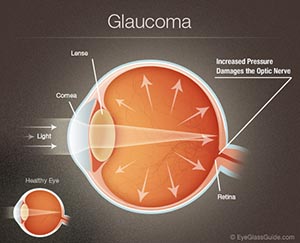
While mild-to-moderate open-angle glaucoma is very common, many people are unaware of their condition, especially in the early stages, when their vision may be unaffected. In many people, open-angle glaucoma is characterized by an increase in the intraocular pressure (IOP) of your eye. This pressure is caused by the buildup of fluid within the eye. Too much fluid raises pressure, which can cause the gradual loss of vision. And while glaucoma moves slowly, its damage is irreparable.
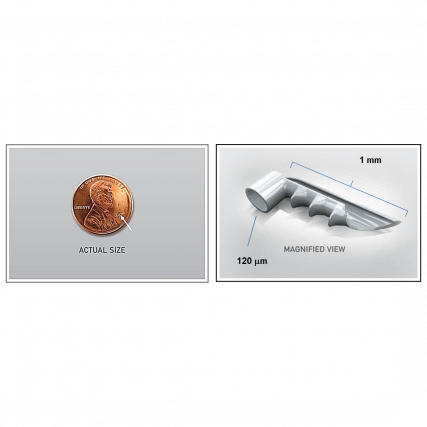
The world’s tiniest medical device—iStent—is 20,000 times smaller than the intraocular lenses (IOL) used in your cataract surgery. But the size of iStent is only part of its story. By increasing the eye’s ability to drain fluid, this technology is designed to reduce the pressure in your eye.
Data:
In a U.S. clinical study, 68% of glaucoma patients who received iStent remained medication free at 12 months while sustaining a target IOP of ≤ 21 mm Hg vs. only 50% of patients who underwent cataract surgery alone.
iStent works like the stents used to prevent heart attacks and strokes. When blood vessels get clogged, a stent creates access to the vessel flow. While a highly innovative technology, how iStent works is elegantly simple:
- If you have glaucoma, over time the eye’s natural drainage system becomes clogged
- iStent creates a permanent opening through the blockage to improve the eye’s natural outflow
- Restoring this mechanism lowers and controls pressure within the eye
Indication for Use:
The iStent® Trabecular Micro-Bypass Stent (Models GTS100R and GTS100L) is indicated for use in conjunction with cataract surgery for the reduction of intraocular pressure (IOP) in adult patients with mild-to-moderate open-angle glaucoma currently treated with ocular hypotensive medication.
Contraindications:
The iStent® is contraindicated in eyes with primary or secondary angle closure glaucoma, including neovascular glaucoma, as well as in patients with retrobulbar tumor, thyroid eye disease, Sturge-Weber Syndrome or any other type of condition that may cause elevated episcleral venous pressure.
Warnings:
Gonioscopy should be performed prior to surgery to exclude PAS, rubeosis, and other angle abnormalities or conditions that would prohibit adequate visualization of the angle that could lead to improper placement of the stent and pose a hazard. The iStent® is MR-Conditional meaning that the device is safe for use in a specified MR environment under specified conditions, please see label for details.
Courtesy of Glaukos